


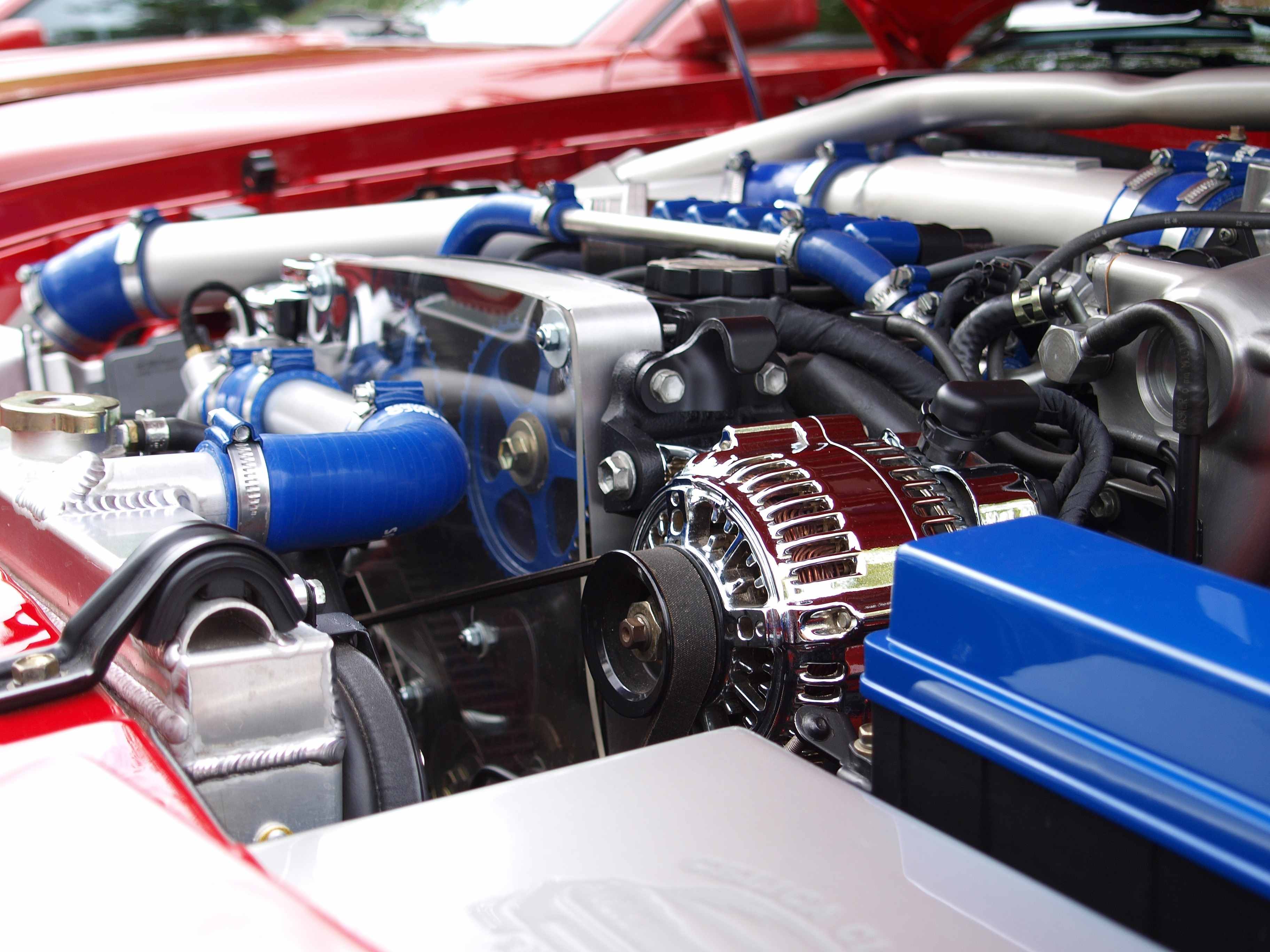
A car engine is a vital component that converts energy from fuel into mechanical motion, propelling the vehicle. Most modern cars use internal combustion engines, where fuel is burned to create expanding gases that push pistons, which in turn rotate a crankshaft, ultimately driving the wheels. Different types of engines, including gasoline, diesel, and electric, exist, each with its own advantages.
Internal Combustion Engines (ICEs)
How they work:
ICEs, like those found in most gasoline and diesel cars, use a four-stroke cycle: intake, compression, combustion, and exhaust.
Types:
> Gasoline engines: These engines use a spark plug to ignite a mixture of fuel and air.
> Diesel engines: Diesel engines compress air to high temperatures, which then ignites the fuel.
Engine layouts:
Engines can have different layouts, such as inline, V, or flat configurations, which impact engine size and performance.
Cylinder configurations:
The number of cylinders (e.g., 3, 4, 6, 8) also affects power output and fuel efficiency.
Other Engine Types:
> Hybrid engines: Combine an ICE with an electric motor for improved fuel economy.
> Electric engines: Use electric motors powered by batteries to propel the vehicle.
> Fuel cell engines: Convert chemical energy from hydrogen into electricity.
Factors Affecting Engine Performance:
Engine displacement:
The total volume of the engine’s cylinders, measured in liters, affects power output.
Number of cylinders:
More cylinders generally mean more power, although other factors also play a role.
In essence, the car engine is a complex system that transforms fuel into motion, and understanding the different types and configurations can help in choosing the right vehicle for your needs.