


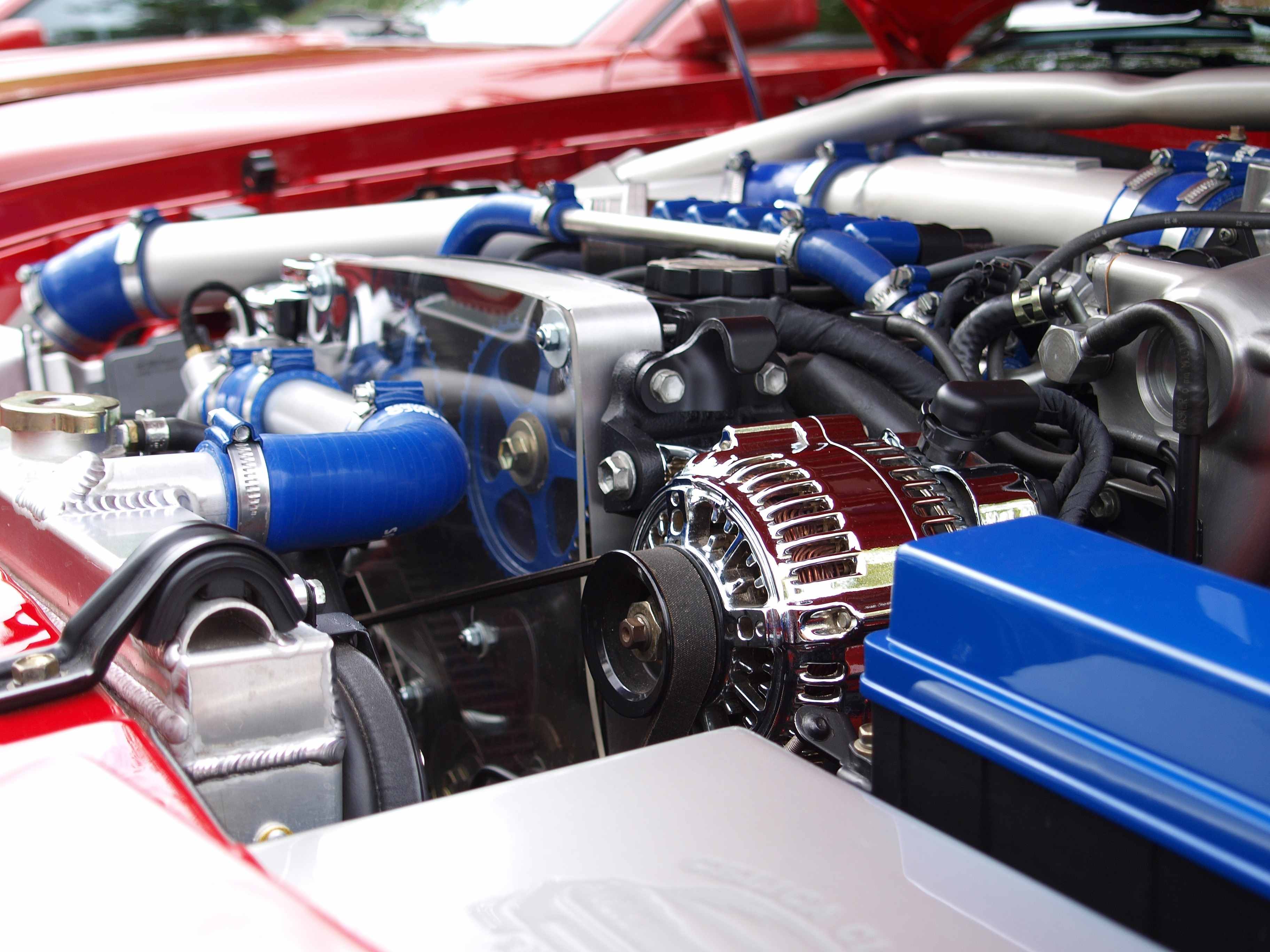
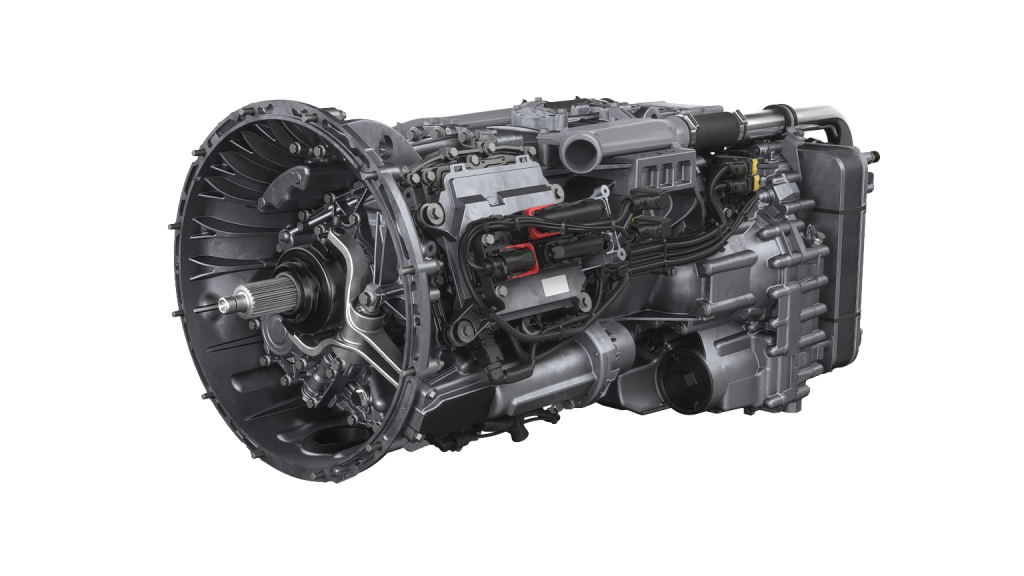
A gearbox, also known as a transmission, is a mechanical device that transfers power from a source (like an engine) to a destination (like wheels) using a series of gears and shafts. It’s designed to change the speed, direction, or torque of the rotating part being driven.
Function:
Gearboxes primarily serve to change the rotational speed and torque of a power source, allowing machinery to operate efficiently and effectively.
Components:
They consist of gears (typically multiple sets), shafts, bearings, and a casing to house and protect these components.
Applications:
Gearboxes are widely used in various applications, including automobiles (automotive transmissions), industrial machinery, and even household appliances.
Types:
There are different types of gearboxes, such as those used in cars, bikes, and industrial machines, each designed for specific applications.
In Cars:
In cars, the gearbox is located between the engine and the wheels, allowing the driver to select different gear ratios to optimize speed and power depending on the driving conditions.
A truck gearbox, also known as a transmission, is a crucial mechanical system that transfers power from the engine to the wheels, allowing trucks to accelerate, maintain speed, and maneuver in various driving conditions. It’s essentially a set of gears and their casing that adjusts the gear ratio to match the engine’s speed with the truck’s speed.
Types of Truck Gearboxes:
Manual Gearbox:
Requires the driver to manually shift gears using the clutch and gearshift lever.
Automatic Gearbox:
An automated version of a manual gearbox, where the gears are shifted automatically.
Semi-automatic Gearbox:
A type of automatic gearbox that allows the driver to manually override the automatic shifting.
Non-Synchromesh Gearbox:
Requires the driver to double clutch when shifting.
Synchromesh Gearbox:
Uses synchro rings to match engine speed with road speed, making gear changes easier.
Function and Importance:
Power Transfer:
The gearbox ensures that engine power is efficiently transmitted to the wheels, allowing the truck to move forward and backward.
Gear Ratios:
By changing gear ratios, the gearbox can adjust the amount of torque (twisting force) available to the wheels, enabling strong acceleration and efficient cruising at high speeds.
Fuel Efficiency:
Properly chosen gear ratios can contribute to better fuel economy, especially when optimizing for different driving conditions.
Safety:
The gearbox plays a role in safety, allowing the truck to be controlled and maneuvered effectively in various situations.